Search Engine Optimisation (SEO) is often used as a buzzword used by anyone even loosely connected to websites. SEO is continuously evolving, and in this series, we will give you the lowdown on everything you need to know about SEO today.
In 2024, SEO continues to be a critical component of digital marketing. This guide will cover the fundamental aspects of SEO, with a focus on using 1st party data to enhance your strategy and demonstrate E-E-A-T (Experience, Expertise, Authoritativeness, and Trustworthiness).
As a digital marketing agency, we want to give you all the tools and knowledge to drive your business forward. We will start with the basics, and by the end; you will feel like an expert!
What is Search Engine Optimisation (SEO)?
“SEO is the process of optimising your website to rank higher in search engine results pages (SERPs). It involves both on-page and off-page tactics to improve visibility and drive organic traffic.”
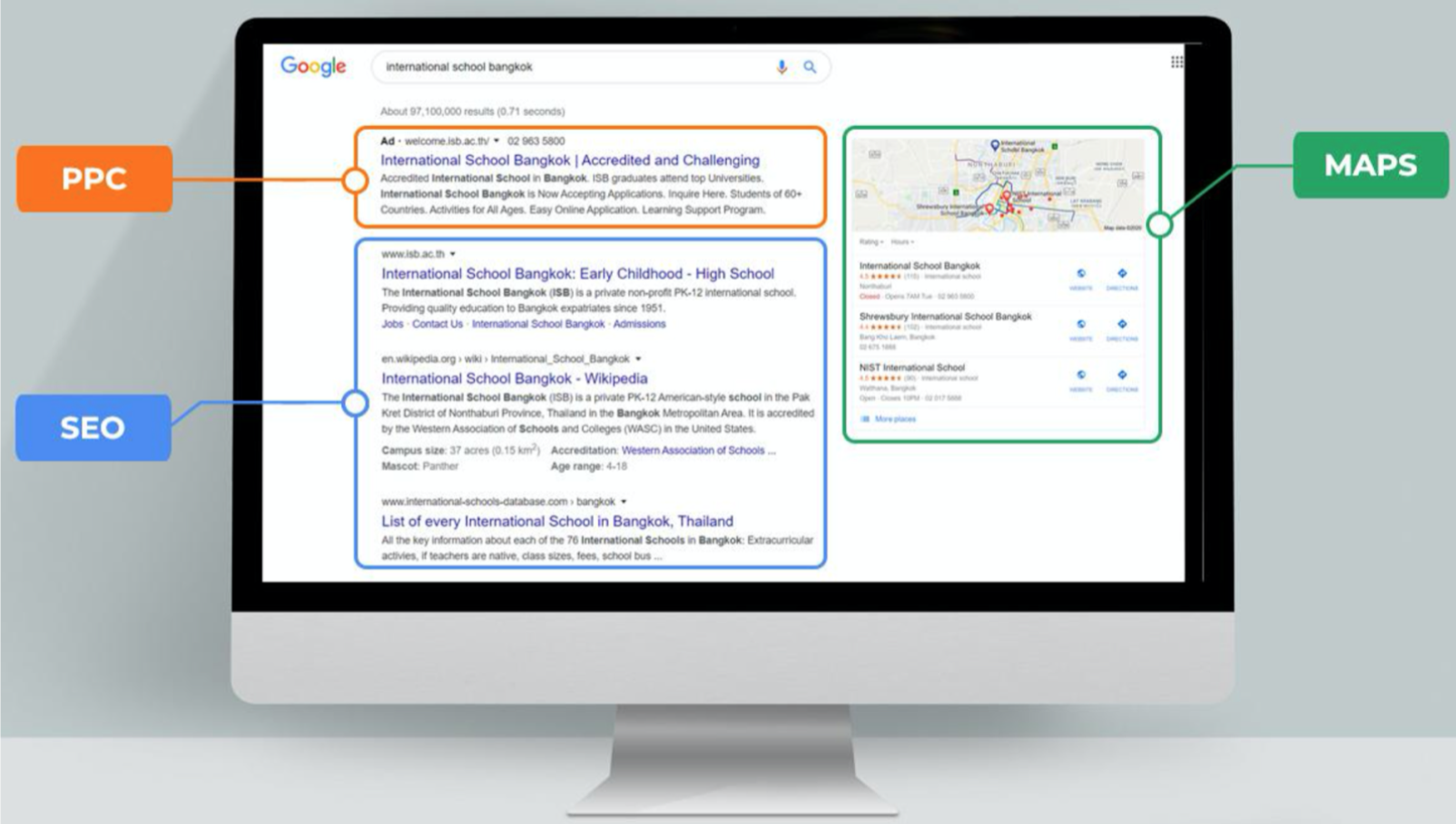
Everyone is familiar with search engines, whether they realise it or not. Think about Google, Bing or Yahoo. SEO Marketing is a complex process designed to get your website a higher ranking, thus appearing further up on the search engine’s search non-paid results, known as organic search results. The theory and science prove that the higher you come in the ranking, the more people see it, and the more people click on your site.
The Creation of ‘SEO’
The search engines first emerged in the 1990s and with it came SEO and entrepreneurs appreciating the importance of higher rankings. Back then, SEO was used by the privileged few; nowadays it is a necessity for any business regardless of its size.
The rules continue to change, so what worked even a few years ago is unlikely to work today. However, the principles remain; having a great website that targets the right audience.
How Do I Begin?
To be successful at SEO, you need to be reasonably technically minded, creative, think outside the box and enjoy analytical work. The end objective is always the same, to rank as highly as possible, but there are several different strategies that you can adopt, and different companies will employ different techniques.
Work will need to be done to ensure that the site is structured correctly and that the coding and programming are technically sound. Of course, this won’t keep your readers captivated, but quality content will mean that others refer to your website and link to it. Nonetheless, this is still not enough for search engines as the content also needs to be well optimised with relevant keywords and appropriate external reference links.
Sound Complicated?
SEO is complex with all major search engines using algorithms to determine their rankings. While some of these algorithms are tightly kept secrets, most you can understand to a certain degree and they aren’t designed to trip you up. They want the best results for the end-user, the person searching, not the owner of the website.
Google is known to use in excess of 200 ranking factors, and most of them are widely known such as backlinks, the quality of the content as well as more technical aspects which affect the users’ experience such as page loading speeds. If you follow the basic rules, there is no need to understand or even know about all of the factors.
Imagine a Cup of Coffee
To understand the basics of SEO, think about a cup of coffee. You have the cup, the coffee and for our example, milk and sugar. We will class these as the three essential parts to your drink.
- The cup – the cup is “the backend” of your website, the technical part. Without it being constructed properly, it won’t work, and the other constituent parts are irrelevant. Think about a flimsy cup that leaks all of your excellent coffee before you have had a chance to drink it!
- The coffee – your website’s content is the main ingredient so, in our example, the coffee. We have all had bad coffee, and never returned to that coffee shop again, whereas we are repeat customers of ZYX Coffee because their coffee is great! Your content is the coffee.
- Milk and sugar – the quality backlinks that you reference on your site. Even a great coffee is undrinkable for many without milk and sugar. The backlinks are what finishes your drink perfectly and are an essential part of the experience.
Standing Out from the Crowd
Whatever product or service you are offering, you want your website to rank highly. So, when someone searches for whatever you offer, your site shows first or at least on the first page. Unless you operate in an extremely niche market with very little competition, you MUST optimise your site. Firstly, you need your site to be indexed so that Google or the other search engines know it exists.
After being indexed, and by employing white hat SEO techniques, you will rank higher on the search engine results page (SERPS). In turn, this will direct more traffic to your website. The relevant content then needs to capture the imagination of the reader, which will almost inevitably lead to more conversions.
Achieving all of this requires meticulous planning, but if you are prepared to work hard, play by the rules, and adopt best practices, you can stand out from the crowd.
Local SEO
Local SEO helps your company show up more prominently in Google’s local search results. Here’s how to optimise for local search:
Google Business: Claim and optimise your Google Business listing. Verify all of your business name, location, phone number, website, and business hours are accurate and current.
Local Keywords: These should be included into the content of your website. They are search words including particular places, such as “best coffee shop in [city]” or “plumber near me.”
NAP Consistency: Across all online directories and platforms, maintain consistent Name, Address, and Phone number (NAP) information.
Local Citations: List your business in directories related to your industry and local online directories.
Reviews: Encourage customers to post on Google, Facebook and other platforms where reviews are possible.Local Content: Write for your local audience. Blog posts regarding local events, news, or industry-related activities all count here.
Should I Do SEO Myself or Employ an SEO Company?
In this, our step by step guide to SEO for beginners, you will be able to complete a lot of the SEO optimisation on your own. From experience, we know that is what appear to be relatively small changes can have a considerable impact on your rankings. The real question is, do you have the time to do it, or would it be better spent focusing on other aspects of running your business?
Knowing and understanding SEO in 2024 will require a lot of reading, practice and trial and error. There are lots of excellent free SEO guides available on the internet. However, you need to find one written by experts who actually know what they are talking about, rather than just think they do! To top up your learning, there are lots of courses available, including ones organised by Google along with webinars.
If you do call in the experts, they won’t be cheap and as with any service you will end up getting what you paid for, but they will almost certainly achieve results quicker than you could by going it alone. There are lots of factors to take into account, we’ve previously discussed the pros and cons of outsourcing in this article.
Common SEO Terms;
Many of the terms that will appear in this guide you will have heard before, but you may not know what they mean. In this section, we will briefly touch upon many of them without expanding further as they will be explained in more detail later in our series.
On-page SEO
On-page SEO refers to the elements on your website that you can control and optimise. It is essentially everything that is done on your website with a particular focus on the content, ensuring that it is optimised for keywords, length and appropriate references.
Keywords: Use relevant keywords naturally within your content. Avoid keyword stuffing, which can lead to penalties.
Content Quality: Create high-quality, valuable content that addresses the needs and questions of your audience. Include multimedia elements like images, videos, and infographics.
It also includes the more technical points which we focus on in chapter three but will consist of amongst many other things:
- URL Structure
- Headings
- Meta tags
- Images and image SEO
- Technical facts about the content (rather than the words)
- Structured data
- Website size, security and speed
- Mobile Optimisation
Off-page SEO
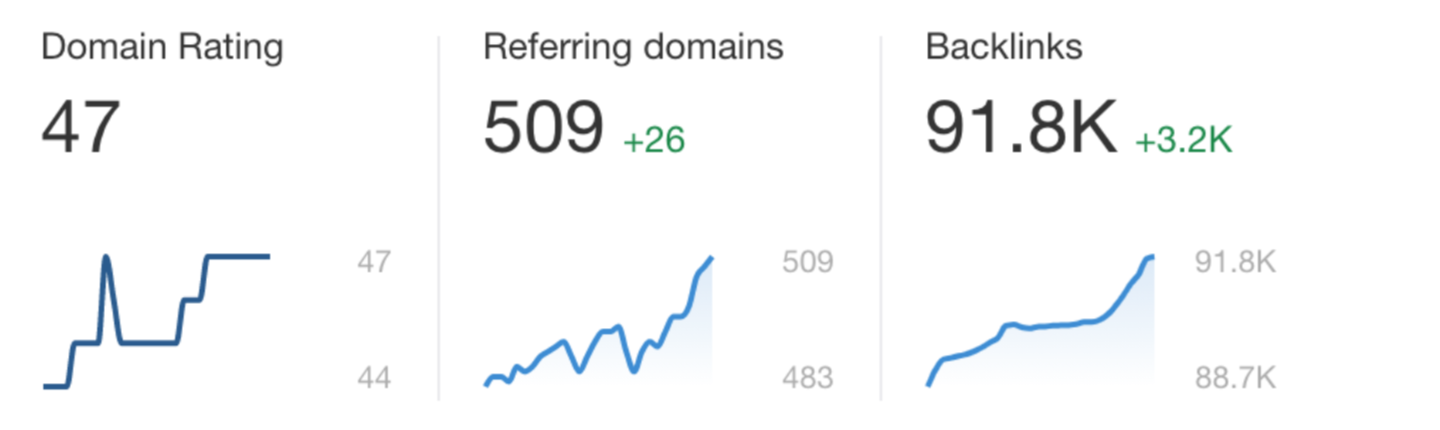
Off-page SEO involves activities outside of your website to improve its authority and reputation. This includes building the authority of the website via quality backlinks from reputable websites.
Getting backlinks is easy, getting quality ones are far harder and more time-consuming, but offers many benefits.
Increased traffic: Backlinks can drive referral traffic to your website when users click on them. This can lead to more visitors, higher engagement, and more conversions.
Improved SEO: Backlinks are a key part of off-page SEO and can help your website rank higher in search results.
Increased credibility: Backlinks from high-quality websites can make your website more credible, which leads to more people clicking on its links and more traffic.
Brand awareness: Backlinks can help establish your website as an authority in your industry and increase your brand’s visibility online.
Faster indexing: Search engine bots can find your website faster when it has more backlinks, which can help users discover it more quickly.
Consider how to earn high-quality backlinks from reputable sites. Focus on building relationships within your industry for natural link-building opportunities.
We will look at this in more depth in chapter 6, but ways to get these quality links include:
- Submission to directories
- Guest posting
- Social media including influencers
- Sponsored Posts
- Writing quality content that others want to link to and reference
White Hat SEO
We briefly touched upon white hat SEO earlier in the article. In short, white hat SEO is employing techniques that will not incur the wrath of search engines such as Google. These include focusing on the quality of the content and doing everything by the book.
Black Hat SEO
Black hat SEO techniques should be avoided at all costs. They include keyword stuffing, “borrowing” backlinks from irrelevant sites, duplicating content from other websites, and using redirects. Not only will this reflect badly on your business and its website, but you are also likely to be heavily penalised by the search engines. So although you may get a short-term gain, it is unlikely to be sustainable.
This can even result in your website getting banned from websites such as Google – effectively ending your organic SEO. Unethical practices are listed on Google’s Webmaster Guidelines.
Grey Hat SEO
Grey hat SEO is often unethical practices but ones that can be done unintentionally. There is sometimes no clear definition offered by Google, Bing or Yahoo regarding this practice, but you should avoid it. To put things simply, you need Google far more than Google needs you, so keeping them on your side is vital.
Focus on E-E-A-T
In 2024, demonstrating Experience, Expertise, Authoritativeness, and Trustworthiness (E-E-A-T) is crucial for SEO success. Regarding Your Money or Your Life (YMYL) issues, that is, topics that may impact users’ well-being, this is crucial. Examples include finance and health. For all topics however, Google values content that reflects these qualities. Here’s how to incorporate E-E-A-T into your SEO strategy:
Experience: Share real-world experiences and case studies related to your industry. This can include client testimonials, project success stories, and detailed examples of your work.
Expertise: Highlight the expertise of your team. Include author bios with credentials, and regularly update your content to reflect the latest industry trends and knowledge.
Authoritativeness: Build your site’s authority through high-quality backlinks from reputable sources. Engage in thought leadership by publishing content that is appropriate to your industry e.g. insightful articles, whitepapers, and research.
Trustworthiness: Ensure your site is secure (use HTTPS), has clear contact information, and includes privacy policies and terms of service. User reviews and ratings also enhance trustworthiness.
If you’re interested in learning more about the costs for our SEO services or are trying to do your own SEO and want some advice, get in touch with one of the team on 02 038 5400.