Image SEO is the process of optimising images on your website so they appear in Google Image Search and support overall page rankings. Google indexes images separately from text and uses alt text, file names, surrounding content, and page authority to determine how to classify and rank them. Well-optimised images can drive additional organic traffic and improve how Google understands the topic of a page.
How does Google find and index images?
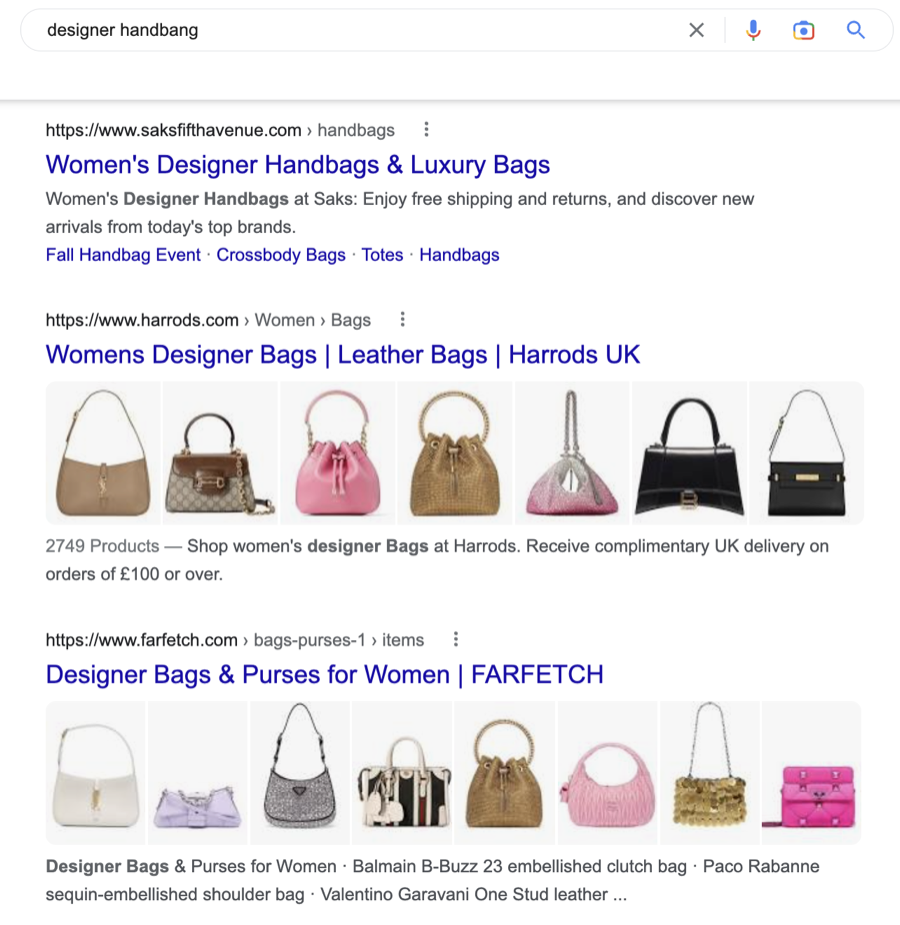
Google's crawlers find images by following links and reading the surrounding page content. They analyse the image file itself alongside the alt text, the filename, the caption, and the content of the page to determine what the image depicts. Images that are slow to load, missing descriptive text, embedded in pages with thin content, or served via JavaScript that blocks crawling are less likely to be indexed and ranked. Adding images to your XML sitemap helps Google find them even when they are not easy to reach through standard crawling.
How do you optimise an image for Google?
- Choose a descriptive filename before uploading. Use words that describe the image content, separated by hyphens (for example, google-ads-campaign-setup.jpg rather than IMG_4521.jpg).
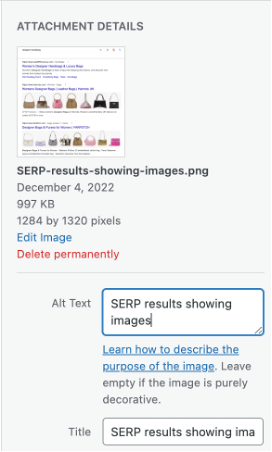
- Write alt text for every image. Alt text should describe what the image shows in plain language, include a relevant keyword where it fits naturally, and stay under 125 characters.
- Compress images before uploading to reduce file size. Tools such as TinyPNG or Squoosh work well. For most images, aim for under 100KB without sacrificing visible quality.
- Use the correct file format: JPEG for photographs, PNG for graphics with transparency, WebP for the best balance of quality and compression on modern browsers.
- Add images to your XML sitemap so Google can discover them even if they are embedded in dynamically loaded content.
- Use responsive images with srcset attributes so the correct image size loads on each device type.
What are the most important image SEO factors?
The factors with the greatest impact on image ranking are: descriptive and relevant alt text, a compressed image file with a meaningful filename, placement on a page with strong and topically relevant content, and the overall authority of the page. Alt text is the primary signal Google uses to understand what an image depicts when it cannot interpret the image itself. An optimised image on a high-authority, relevant page will consistently outrank the same image on a thin or unrelated page.
Does image SEO affect overall page rankings?
Images contribute to page quality signals, particularly around page speed and content richness. Unoptimised images are one of the most common causes of slow load times, which Google uses as a ranking factor under Core Web Vitals. Pages with well-captioned, relevant, properly compressed images are also more likely to appear in AI-generated search results and featured snippets that pull visual content. For websites serving both Thai and English-speaking audiences in Thailand, ensuring alt text is written in the same language as the surrounding page content is important for search relevance.