A DDoS (Distributed Denial of Service) attack is a type of cyberattack in which a target server or website is flooded with a massive volume of traffic from multiple sources simultaneously, overwhelming it to the point where it can no longer respond to legitimate requests. For businesses with an online presence, understanding what DDoS attacks are and how to defend against them is an important part of website and infrastructure security.
How does a DDoS attack work?
Attackers typically use a botnet: a network of thousands of compromised computers and devices, often infected with malware without their owners' knowledge. The attacker directs all these devices to send requests to the target simultaneously. Because the traffic comes from many different IP addresses around the world, it is difficult to simply block a single source. The target server runs out of bandwidth, processing capacity, or memory and begins refusing all connections, making the website or service inaccessible to everyone.
What are the consequences of a DDoS attack?
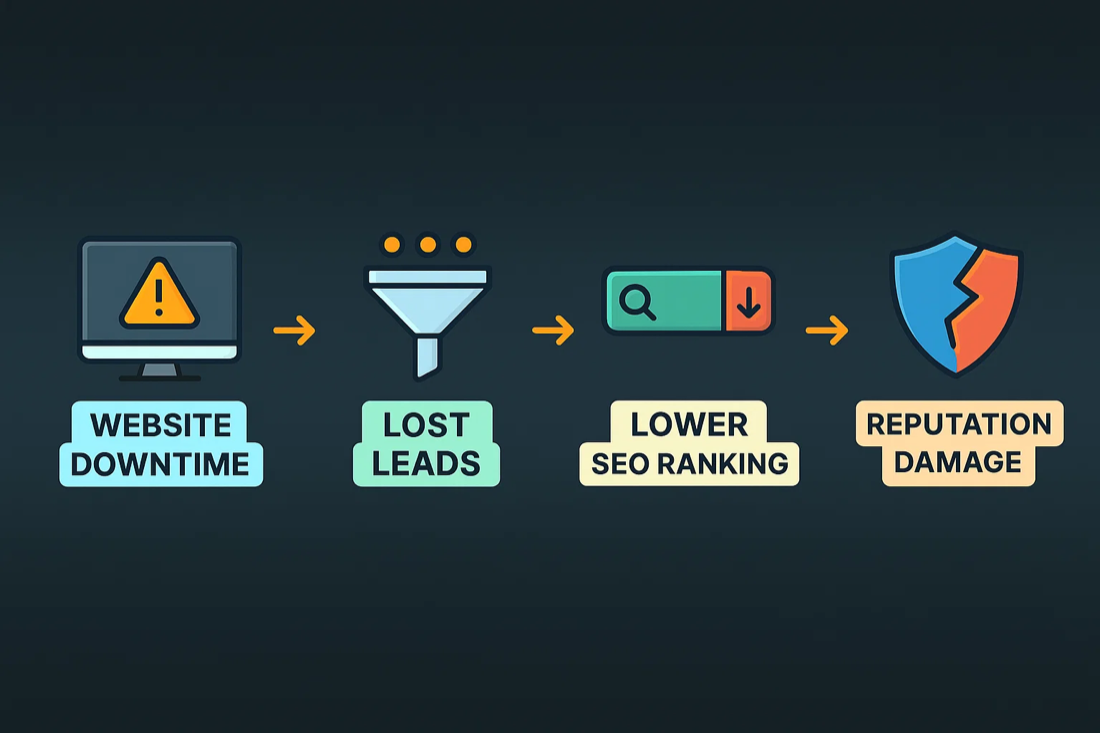
The immediate consequence is downtime: your website, e-commerce platform, or web application becomes unavailable to users and customers. For businesses that generate revenue online, even a few hours of downtime can result in significant lost sales and damage to customer trust. DDoS attacks can also serve as a distraction while attackers attempt to exploit other vulnerabilities in your systems. In some cases, businesses face ransom demands threatening a continued attack unless payment is made.
Who is typically targeted?
While large enterprises and government agencies are common targets due to the visibility and potential impact, small and medium businesses are not immune. E-commerce sites, online marketplaces, SaaS platforms, and any business that depends on continuous availability of its website are potential targets. Competitors, hacktivists, and extortionists are common motivations behind attacks. In Thailand, as with other fast-growing digital markets, DDoS attacks are an increasing concern for online businesses.
How do you protect against DDoS attacks?
The most accessible protection for most businesses is using a CDN (Content Delivery Network) with DDoS mitigation built in. Providers like Cloudflare, AWS Shield, and Akamai sit in front of your server and absorb and filter attack traffic before it reaches your infrastructure. Cloudflare's free tier includes basic DDoS protection, making it accessible even for smaller sites.
For higher-risk or higher-traffic businesses, enterprise-grade DDoS protection with dedicated capacity and faster response SLAs is worth the investment. Keeping your hosting infrastructure well-maintained, patched, and scaled appropriately also reduces vulnerability.