

We often hear that lower ad costs automatically mean better results. In reality, CPM and CPC figures only tell part of the story. What matters far more is how those costs translate into real outcomes such as leads, sales, or long-term customer value.
We see first-hand how performance shifts year on year as platforms mature, competition increases, and user behaviour evolves. While Facebook, Google, and LINE remain the dominant advertising platforms in Thailand, the way they should be used in 2025 is not identical to previous years.
In this article, we break down the latest ad cost benchmarks in Thailand and explain which platforms perform best for different objectives, and why.
What Are the Best Types of Ads in Thailand?
The short answer is it depends on what you are trying to achieve.
Advertising in Thailand works best when campaigns are built around a clear objective, not a platform preference. We often see businesses choose Facebook, Google, or LINE because it feels familiar, rather than it aligns with what they need the campaign to deliver.
In practice, most successful campaigns fall into one of three goals:
- Brand awareness
- Conversions and lead generation
- Retention and remarketing
Each of these goals behaves differently in the Thai market. Results will also vary significantly depending on your industry, price point, and target audience, as consumer behaviour in Thailand differs widely between sectors such as ecommerce, education, property, healthcare, and B2B services.
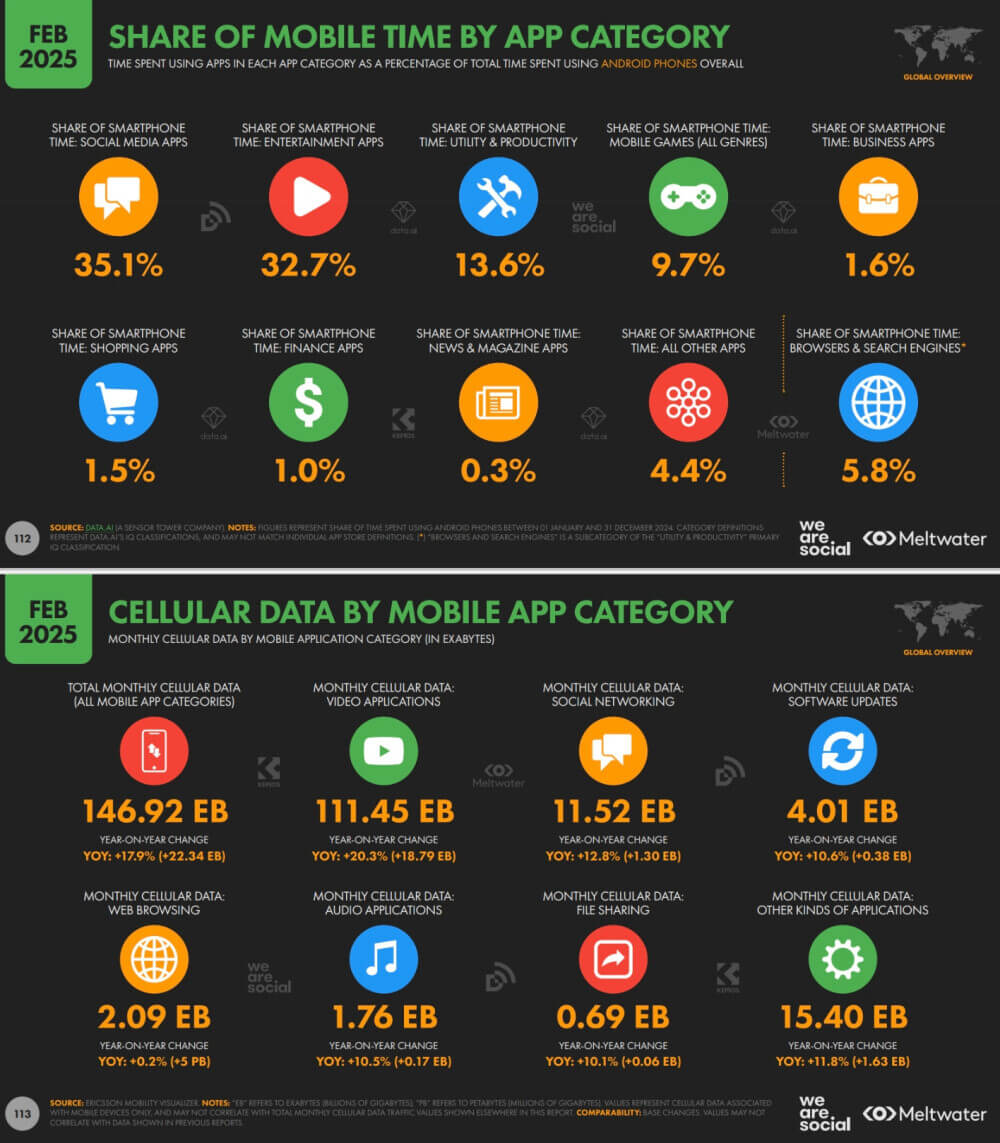
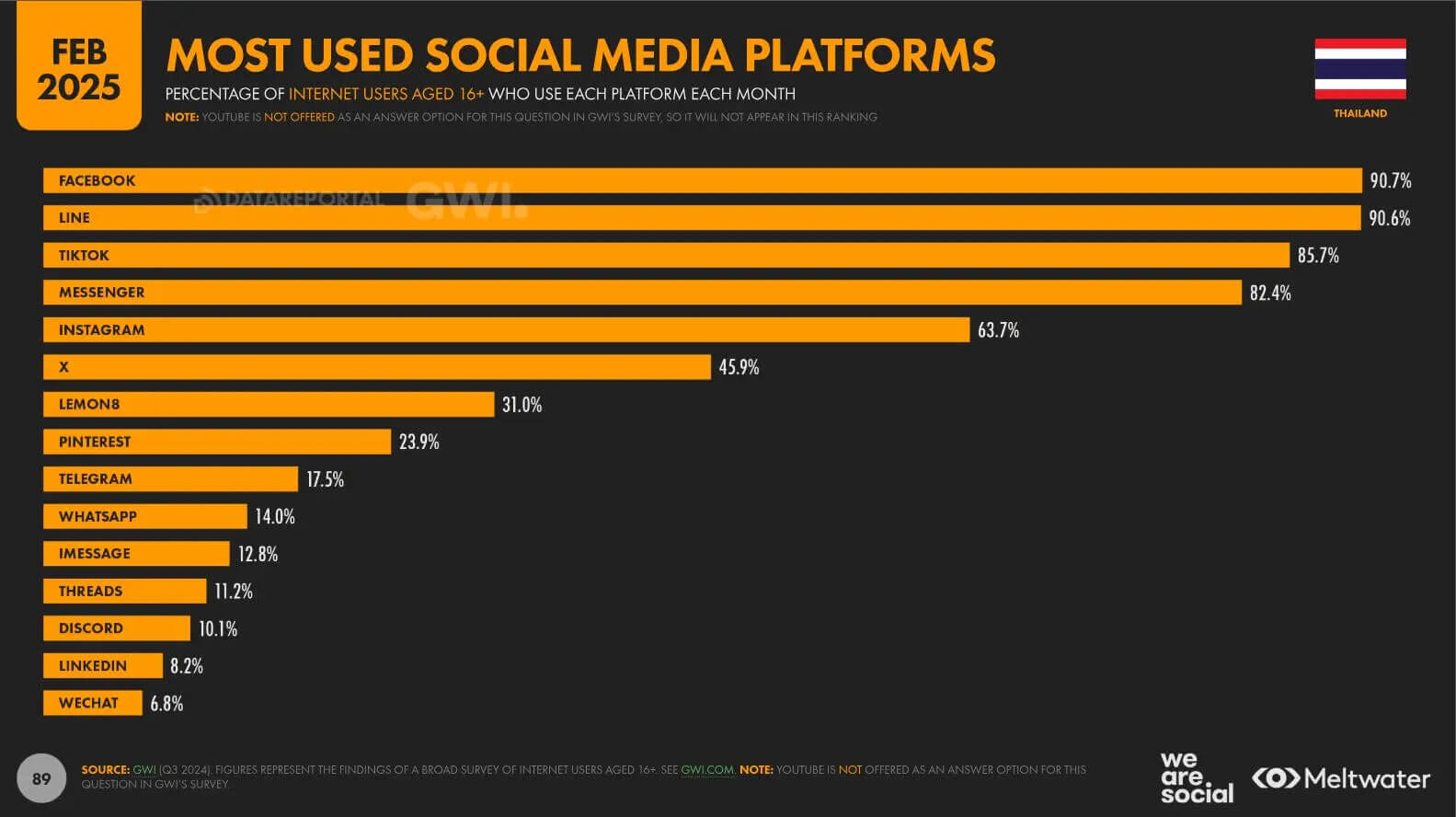
Thailand is a mobile-first country, with high daily usage of social platforms and messaging apps. LINE plays a far bigger role here than it does in most Western markets, while price sensitivity means users often research extensively before taking action. This has a direct impact on how ads perform, how quickly results appear, and which platforms are most effective at each stage of the customer journey.
Which Ads Work Best in Thailand for Brand Awareness?
If your main goal is reach, you want platforms that can deliver a high volume of impressions and video views without wasting budget. In Thailand, awareness campaigns tend to perform best where people already spend time every day, on mobile.
For 2025, the strongest platforms for brand awareness remain:
- Facebook and Instagram
- LINE Ads
- YouTube (via Google Ads
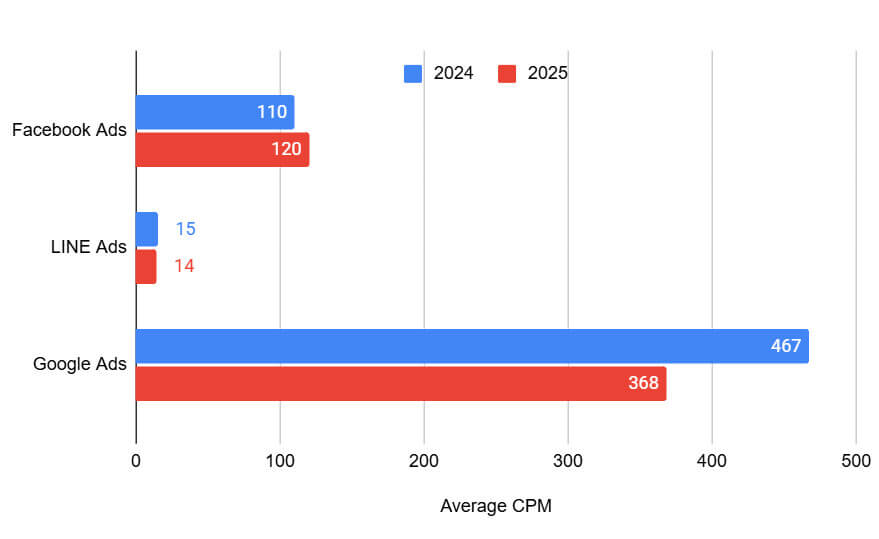
Looking at our 2024 vs 2025 benchmarks, LINE continues to be the most cost-efficient channel for broad visibility, while Meta remains strong when you need more control over who sees your ads.
With Facebook Ads, average CPM increased slightly from THB 110 (2024) to THB 120 (2025). Video awareness also became marginally more expensive, with average CPV moving from THB 3.94 to THB 4.00. Meta is still usually the better awareness choice for niche products or specific segments, because targeting is more granular than on LINE.
LINE Ads remain the lowest-cost option for mass reach. Our data shows CPM dropping from THB 15 (2024) to THB 14 (2025), and cost per reach (per 1,000) improving from THB 3.34 to THB 3.00. On the video side, the average CPV shifted from THB 1.22 (2024) to THB 0.03 (2025), which is a meaningful change and reinforces why LINE can be so effective for awareness when the goal is simple, low-cost exposure.
For awareness inside Google’s ecosystem, YouTube plays the central role. CPMs for Google campaigns decreased from THB 467 (2024) to THB 368 (2025). CPV is also very competitive for video placements, with an average of THB 0.11 (2024) and THB 0.13 (2025). While Google is often discussed as a conversion platform, these numbers show it can still be a strong awareness option, especially when video is part of the strategy.
When measuring awareness, we focus on:
- CPM (how efficiently you buy attention)
- CPV (how efficiently you buy views)
- Cost per reach (how efficiently you grow unique exposure)
Short-form video continues to dominate attention in Thailand. If your creative is built for vertical placements and fast mobile consumption, it is often simpler to keep awareness costs stable across Meta and LINE, while using YouTube to scale video reach further.
TikTok Ads in Thailand continue to grow and data suggests its core audience sits largely between ages 25 and 34, though in our experience it has rarely aligned well with our clients’ commercial objectives so far.
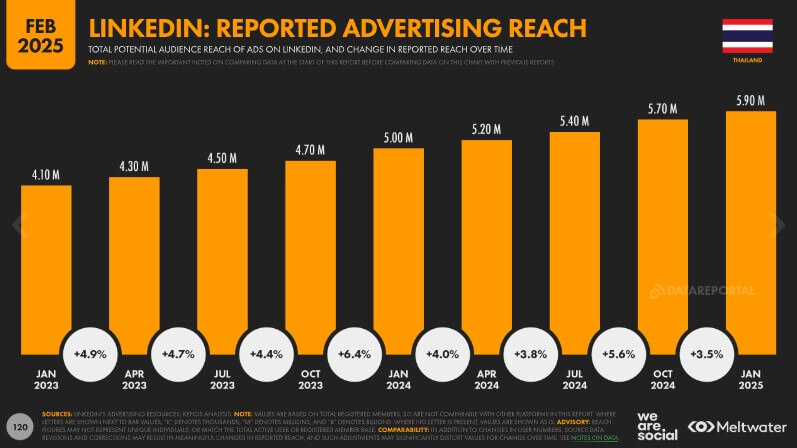
And for certain industries, LinkedIn can still make sense for awareness in Thailand, with growing reach, but mainly when the audience is job-specific or senior, as you will need to pay a premium for precision.
Which Ads Work Best in Thailand for Conversions?
When the objective shifts from visibility to action, the performance picture in Thailand changes quite quickly. Conversion-focused campaigns are far more sensitive to intent, timing, and tracking quality than awareness activity.
For conversions, the metrics that matter most are CPC, CTR, conversion rate, and cost per conversion. These tell you not just how cheaply you can drive traffic, but how efficiently that traffic turns into something meaningful.
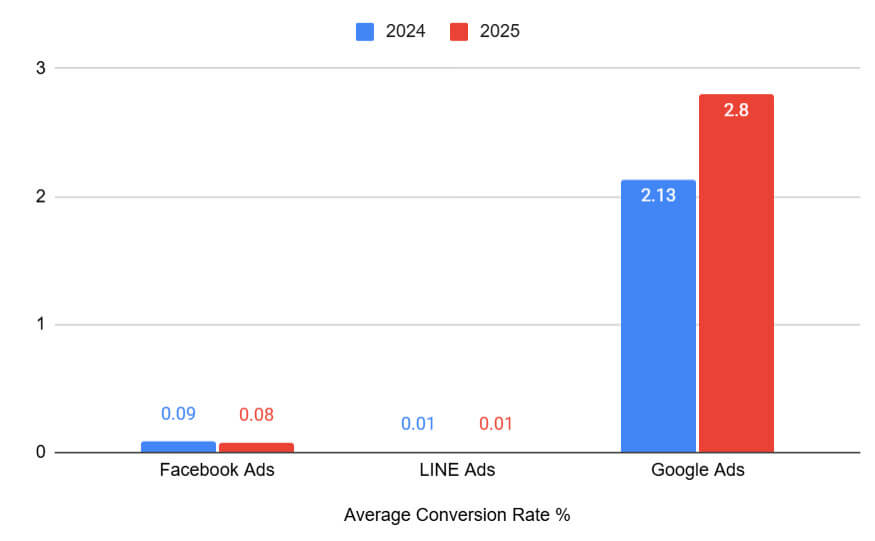
Based on our own campaign data from 2024 and 2025, Google Ads continues to lead when intent is high. In 2025, average CPC dropped significantly to THB 11, while CTR increased to 3.33%. More importantly, average cost per conversion fell from THB 349 (2024) to THB 199 (2025), alongside a conversion rate improvement to 2.80%. This is why Google remains the strongest platform for ecommerce and consultative services, where users are actively searching for a solution; particularly when backed up with effective SEO content writing.
Social platforms still play an important role, but in a different way. On Facebook and Instagram Ads, CPC increased year on year to THB 11.5, while conversion rates softened slightly to 0.08%. These platforms continue to perform best for promotions, event sign-ups, and initial lead capture, particularly when demand is being created rather than captured.
LINE Ads remain challenging for direct conversions. While CPC dropped sharply to THB 2 and CTR improved to 0.5%, conversion rates stayed flat at 0.01%. In practice, LINE works far better as a supporting channel for awareness, remarketing, and message-based engagement than as a primary conversion driver.
One critical factor across all platforms is tracking. Reliable conversion data depends on correct implementation of the Meta Pixel and Conversion API, as well as Google Tag and GA4 integration.
Which Types of Campaigns Work Best on Facebook & Instagram Ads?
Facebook and Instagram continue to perform best when there is a clear trigger for action. Across our client campaigns in Thailand, promotion-led activity consistently outperforms generic brand messaging.
Campaigns tied to limited-time offers, launches, or events still generate the strongest engagement. This includes open days, seasonal promotions, ticketed events, and short booking windows, where urgency plays a key role in driving responses.



Lead generation and message-based campaigns also remain effective, but how they are built has changed in 2025. One of the biggest shifts we have seen is the reduction in available targeting options. Many interest-based segments that were previously useful for industries such as education, healthcare, or family services are no longer available, and the ability to exclude specific interests has now been phased out. As a result, audiences are becoming broader by default.
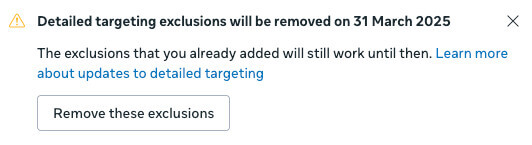
At the same time, Meta is pushing AI-led setups much more aggressively. Advantage+ audiences and placements are now often selected automatically. This means performance is being driven less by detailed targeting and more by creative quality and messaging.

Switching back to fully manual configurations is increasingly difficult, but if you choose Manual Placements when setting up, you’ll be able to select which platforms you want to target and exclude.
Creative freshness has therefore become critical. Short-form video, multiple variations, and clear value propositions now have a much bigger impact on results than fine-tuning audience layers.
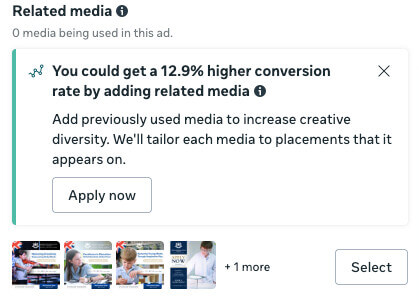
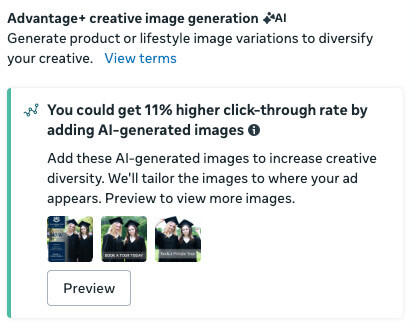
Meta may also automatically apply creative enhancements, such as related media or AI-generated variations, which can influence delivery if not monitored carefully.
Which Types of Campaigns Work Best on Google Ads?
Google Ads continues to perform best when users know broadly what they are looking for. Across our client campaigns in Thailand, it remains the strongest platform for capturing existing demand.
Ecommerce campaigns and consultative services consistently deliver the most reliable results. When someone is actively searching for a product, service, or solution, Google Ads allows brands to appear at the exact moment intent is highest. This is reflected in our own data, where improved CTRs and conversion rates in 2025 have translated into lower cost per conversion.
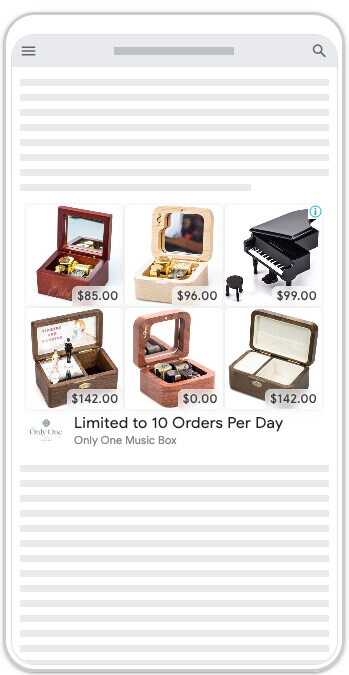
Local service searches are another area where Google performs particularly well. Businesses targeting specific locations, urgent needs, or high-intent queries tend to see faster and more predictable results than they would on social platforms, especially when search campaigns are tightly aligned with landing page content.
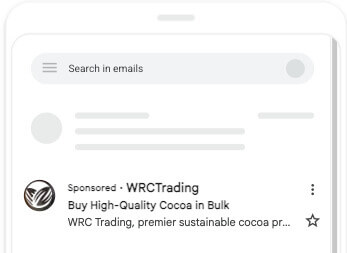

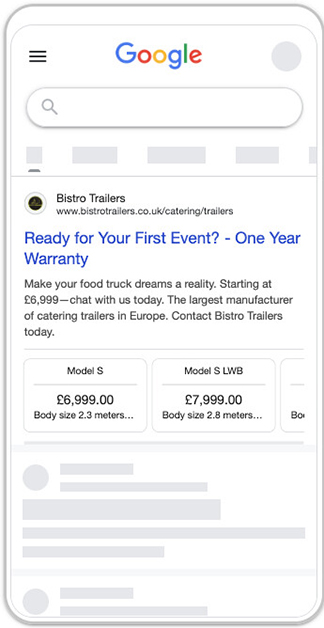

From a campaign structure perspective, Search remains the foundation. Performance Max can also be effective, but its impact varies significantly by industry. In some sectors, it has helped us scale conversions efficiently. In others, it has introduced volatility and reduced transparency. As with Meta’s AI-driven tools, the key is knowing when to use automation and when to retain control.
One important change in 2025 is Google’s continued push toward AI-based bidding. With Enhanced CPC being phased out, strategies such as Maximise Conversions and Target CPA now play a bigger role. When conversion tracking is set up correctly, these approaches can work well.
Which Types of Campaigns Work Best on LINE Ads?
LINE plays a very different role in the Thai advertising landscape compared to Facebook or Google. Based on the campaigns we run for clients, it is rarely the primary driver of direct conversions, but it remains powerful when used for the right objectives.
Branding campaigns continue to perform well on LINE. With consistently low CPMs and cost per reach, the platform is well suited to mass-market visibility, particularly for brands targeting a broad local audience. “Add Friend” campaigns allow businesses to build owned audiences within the LINE ecosystem, creating a direct communication channel that can be used over time.
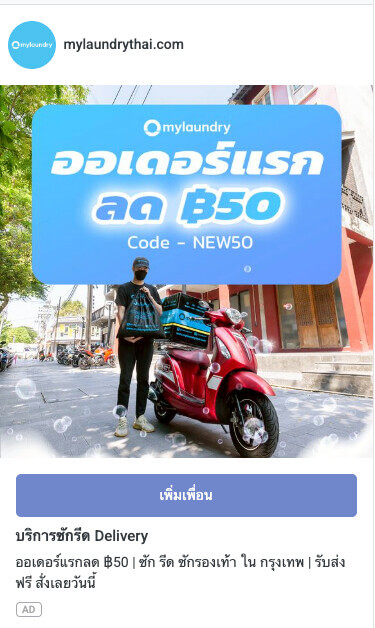

Retargeting existing audiences also works effectively on LINE. When users are already familiar with a brand, reminder-style messaging and promotional broadcasts tend to perform far better than cold acquisition campaigns. This is particularly useful when LINE is used alongside Facebook or Google as part of a wider funnel.
Where LINE is less effective is direct conversion activity. Despite improvements in click-through rates and lower CPCs in 2025, conversion rates remain low compared to other platforms. LINE works best as a supporting channel for awareness, retention, and remarketing, rather than as a standalone conversion engine.
How Much Do Facebook Ads Cost in Thailand in 2025?
Based on the Facebook and Instagram campaigns we manage for clients in Thailand, the table below shows our observed average costs for 2025 compared with 2024, primarily drawn from lead-generation and conversion-focused campaigns across multiple industries.
How Much Do LINE Ads Cost in Thailand in 2025?
The table below outlines the average LINE Ads costs we have observed across client campaigns in Thailand, comparing 2025 performance with 2024, based on our campaign data and primarily covering awareness, message-based, and remarketing activity.
How Much Do Google Ads Cost in Thailand in 2025?
The table below shows the average Google Ads costs we have recorded across client campaigns in Thailand, comparing 2025 with 2024, based on our data from ecommerce, lead-generation, and high-intent search campaigns.
Are Facebook Ads Better Than Google Ads in Thailand?
This is one of the most common questions we are asked, and the honest answer is that neither platform is objectively “better.” They solve different problems.
Facebook and Instagram are built around discovery. They work well when you need to introduce a brand, promote an offer, or generate interest from people who are not actively searching. Results can come quickly, but performance is often more sensitive to creative quality, messaging, and market conditions.
Google Ads is driven by intent. When someone searches for a product or service, they are already signalling a need. This is why, across our client campaigns, Google consistently delivers stronger conversion rates and lower cost per conversion, even if CPCs or CPMs appear higher at first glance.
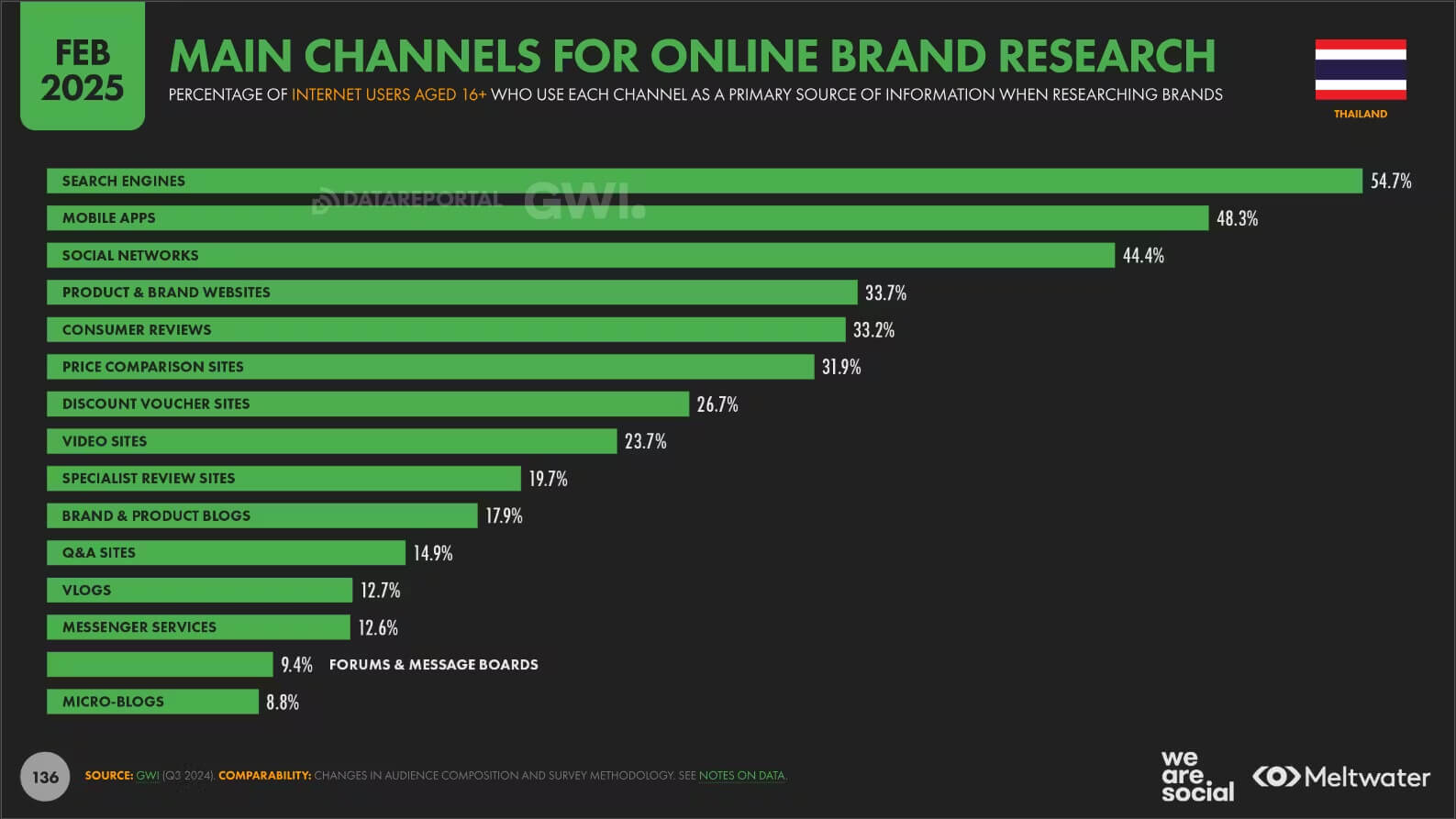
From a predictability standpoint, Google Ads tends to be more stable. Demand exists regardless of creative trends or platform changes. Facebook, by contrast, can deliver bursts of strong performance but requires ongoing testing and adaptation to maintain results.
In practice, the strongest results usually come from combining both.
How to Choose the Right Advertising Platform for Your Business in 2025
Choosing the right advertising platform in Thailand starts with clarity, not trends. The most effective campaigns we run are those where the platform is selected based on the outcome the business actually wants, rather than what feels popular or familiar.
If your priority is visibility and brand recall, platforms like Facebook, Instagram, and LINE continue to offer cost-efficient reach at scale. If the goal is efficiency and measurable action, Google Ads consistently performs best when there is clear demand and high intent. In many cases, the strongest performance comes from using these platforms together, each playing a different role in the customer journey.
Budget planning also plays a role. Thailand remains a competitive market, and costs can shift quickly by industry, season, and creative quality. This is why testing, iteration, and close performance monitoring are more important than relying on benchmarks alone.
If you want support turning these insights into a campaign structure that delivers results, speak to our team at Phoenix Media.
Published February 3, 2026 · by Robert Wee