Digital marketing is the promotion of products, services, or brands through online channels. It covers everything from search engine optimisation and paid advertising to social media, email, and content. Unlike traditional marketing, digital marketing allows businesses to target specific audiences, track performance in real time, and adjust campaigns based on data rather than estimates.
What does digital marketing include?
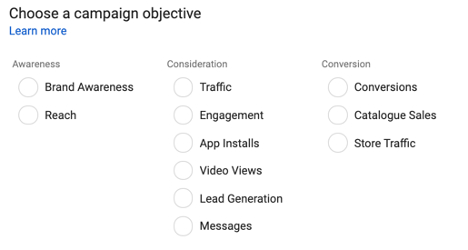
Digital marketing covers a range of channels that can work independently or together as part of a broader strategy. In Thailand, LINE and Facebook tend to carry more weight than in Western markets, which affects how budgets are typically allocated. The main channels are:
- Search engine optimisation (SEO)
- Paid search advertising (Google Ads)
- Social media advertising (Facebook, Instagram, LINE)
- Content marketing
- Email marketing
- Affiliate and influencer marketing
How is digital marketing different from traditional marketing?
Traditional marketing (print, television, radio, billboards) reaches a broad audience with limited ability to control who sees the message or measure whether it worked. Digital marketing allows precise audience targeting by demographics, location, interests, and behaviour. It also provides performance data at every stage: impressions, clicks, conversions, and revenue.
This means budgets can be shifted towards what is working and away from what is not, often within the same campaign period. The minimum spend required to get started is also significantly lower than most traditional channels.
How do you measure digital marketing performance?
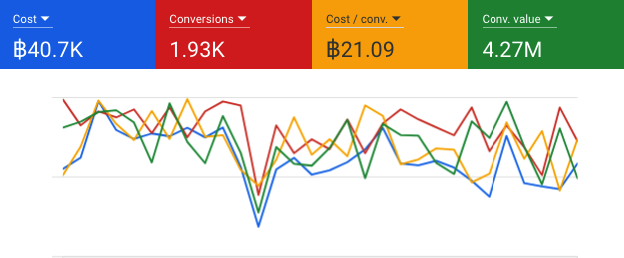
Every digital marketing channel produces measurable data. At Phoenix Media, we build reporting around the metrics that are meaningful to the client's business, rather than defaulting to platform-level numbers that look good but do not reflect real results. Key tools and metrics include:
- Google Search Console: organic rankings, impressions, and clicks
- Google Ads: spend, clicks, cost per click, conversions, and ROAS
- Social platforms: reach, engagement, and audience data
- Google Analytics 4 (GA4): how visitors arrive, what they do on site, and whether they complete a conversion goal
Why is digital marketing important for businesses in Thailand?
Thailand has one of the highest rates of social media and smartphone usage in Southeast Asia, which means a large proportion of consumer attention is spent on digital platforms. Businesses that are not actively present on search engines and social media are likely losing ground to competitors who are. Digital marketing is also one of the few channels where a smaller business can compete in the same space as a larger one, by targeting specific niches, long-tail keywords, or defined audience segments rather than trying to match a bigger advertising budget. For businesses operating in both Thai and English, managing bilingual campaigns adds another layer of strategy that most generic platforms do not handle automatically.