Both Google Ads and Meta Ads Manager generate automated recommendations suggesting changes to your campaigns. These recommendations are surfaced prominently in both platforms, and both use optimisation scores or similar metrics that drop when recommendations are not applied. The short answer to whether you should use them: sometimes, but not automatically.
What are Google Ads recommendations?
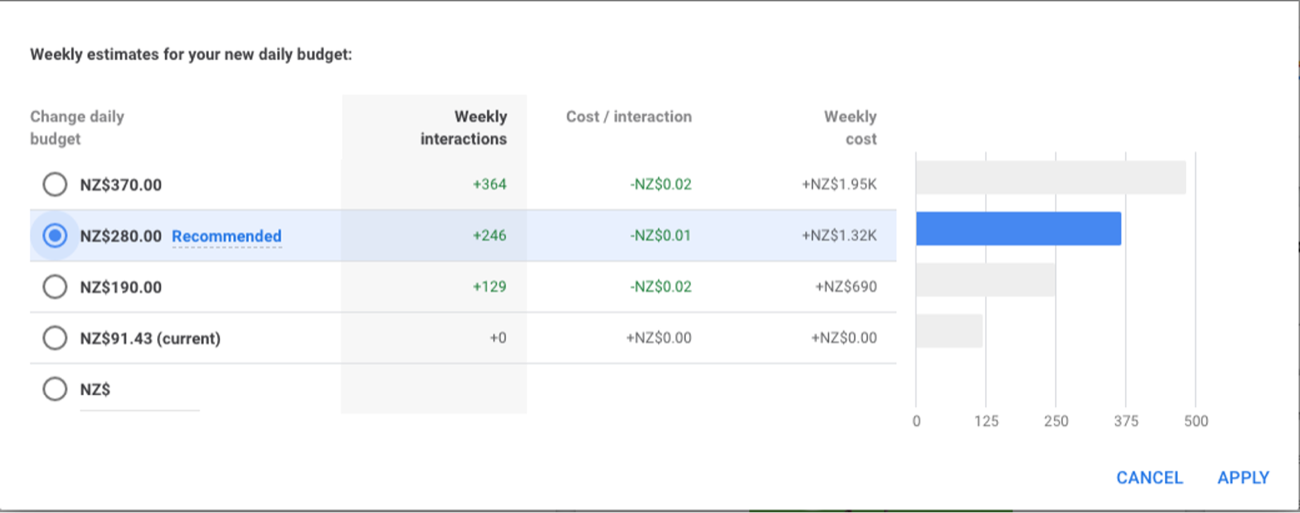
Google Ads surfaces recommendations in the Recommendations tab of the account. These include suggestions to add keywords, switch to automated bidding strategies, add responsive search ad assets, enable broad match, increase budgets, and add audience segments. Each recommendation is associated with an optimisation score, and applying recommendations increases your score towards 100%. Google uses this score as a measure of how closely you are following their recommended settings.
What are Meta Ads recommendations?
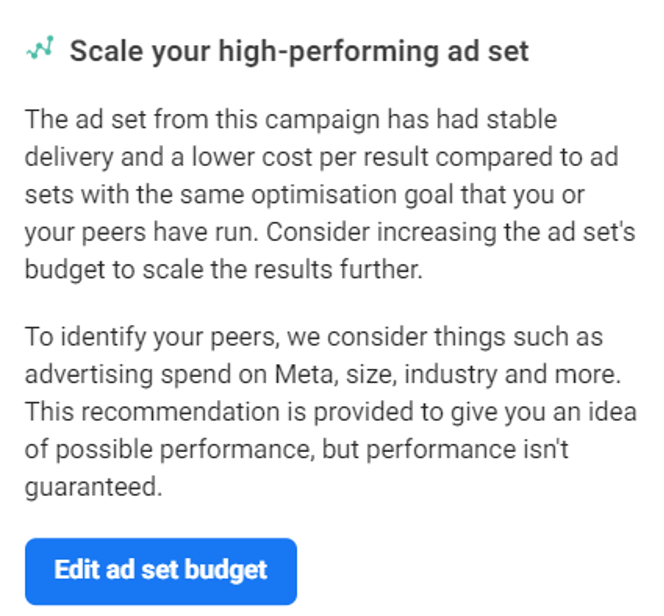
Meta Ads Manager includes recommendations in the campaign and ad set views, often flagging opportunities to expand audience targeting, increase budget, switch to Advantage+ targeting, activate more placements, or use automated creative features. Meta also regularly notifies advertisers when ad sets are in a limited delivery state and suggests changes to address this.
Should you apply them?
Not without review. Both Google and Meta have a commercial interest in you spending more and broadening targeting, and many recommendations reflect this rather than the specific performance goals of your account. Common recommendations that should be applied with caution include: switching to broad match keywords without the right bid strategies in place, accepting budget increase recommendations without a corresponding business case, and enabling Advantage+ placements or targeting when more control is needed for a specific campaign.
Some recommendations are genuinely useful, such as adding missing ad extensions or fixing ad disapprovals. The key is to evaluate each recommendation against your specific objectives rather than applying them wholesale to hit a score target.
Should I worry about having a low optimisation score?
No. The optimisation score in Google Ads and similar metrics in Meta are platform-generated scores, not third-party performance measures. A low score simply means you have not applied Google's or Meta's suggestions, not that your campaigns are underperforming.
Well-managed accounts run by experienced agencies often have lower optimisation scores precisely because they apply selective, deliberate settings that differ from platform defaults. Focus on actual campaign metrics (cost per lead, ROAS, conversion rate) rather than the platform's internal score. At Phoenix Media, we review client accounts' recommendations monthly but apply only those that align with the campaign's specific objectives, which is standard practice for managing paid media in Thailand's competitive advertising market.