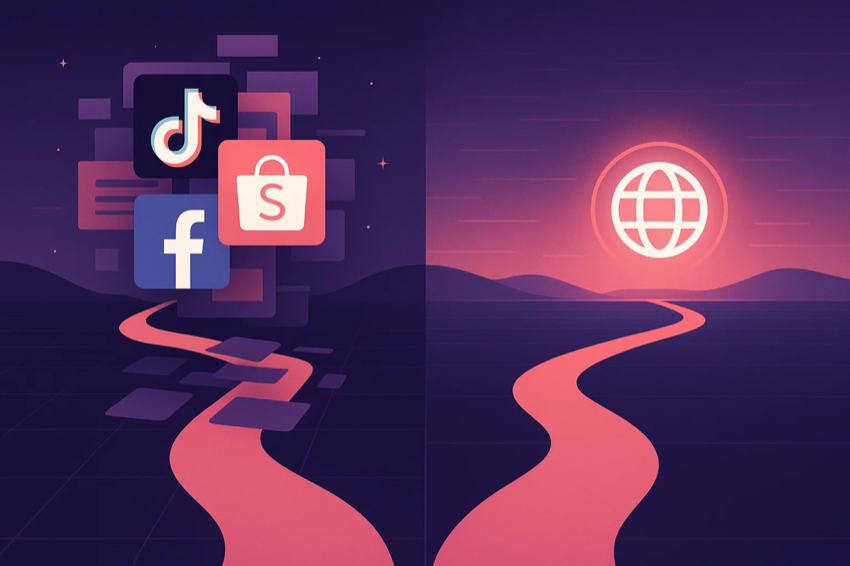
With so many businesses thriving on Instagram, TikTok, Facebook and online marketplaces, it’s fair to ask: do you really need a website in 2025? For many startups and small brands, the appeal of going platform-first is clear, with quick setup, low cost, and built-in audiences.
But relying solely on third-party platforms comes with real limitations. In this article, we’ll explore why a dedicated website still plays a crucial role in establishing trust, building visibility in search, and future-proofing your business. Whether you’re just starting out or planning to grow, understanding the long-term value of owning your own space online is essential.
Why Some Businesses Question the Need for a Website
The Rise of Platform-First Marketing
In 2025, it’s easier than ever to start selling or promoting your brand without building a website. Marketplaces like Shopee, Lazada, and Amazon give businesses instant access to a wide customer base. Social platforms such as TikTok Shop, Facebook Pages, and Instagram storefronts offer built-in audiences, easy checkouts, and rapid exposure.
The Argument for Simplicity
For many startups, the low barrier to entry is appealing. There’s no need to buy a domain, learn web development, or set up hosting. You can create a business profile, upload content, and start selling within hours. For side hustles or test products, this lean approach can work in the short term. But it also means you’re building your brand on someone else’s terms.
What a Website Offers That Social Platforms Don’t
Full Ownership and Control
A website gives you ownership, which is something no third-party platform can. You’re not subject to algorithm changes, content restrictions, or sudden suspensions. With your own domain, you control how your brand is presented, how visitors navigate your content, and what actions they take. That means no competing ads, no distractions, and no compromises on layout or messaging.
Visibility in Organic Search
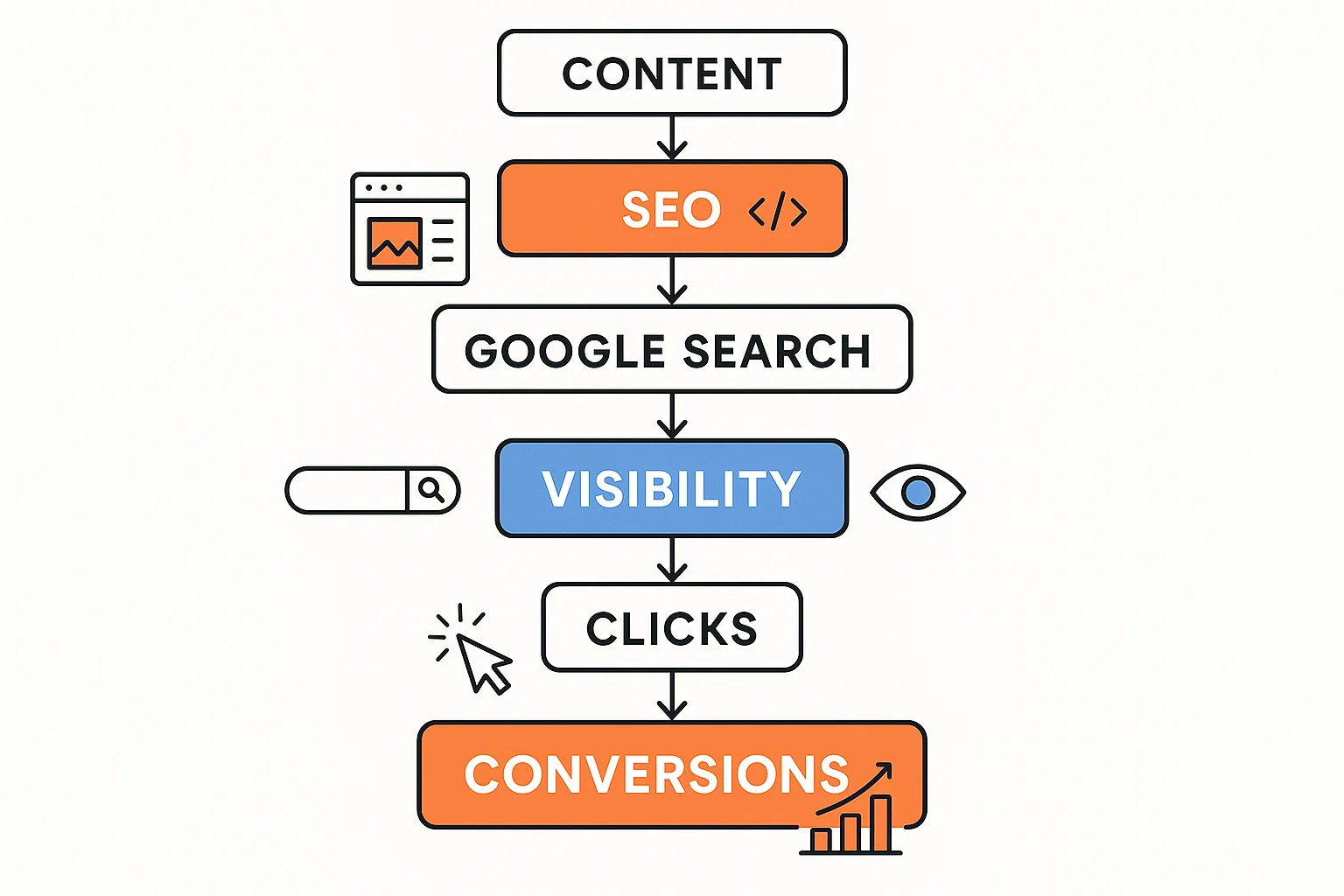
Unlike social media posts, websites can appear in Google’s organic search results. That visibility compounds over time. By publishing relevant content and applying SEO best practices, you can capture traffic from customers actively searching for your services. With structured data and tools like Google Search Console, you can improve how your pages appear in search and track performance directly.
Why a Website Builds Trust and Credibility
First Impressions Matter
When potential customers search for your business, many will expect to find a dedicated website. A professional site signals that your business is legitimate and established. Most consumers view having a website as a basic sign of credibility and that you’re invested in your brand for the long term.
A Central Source of Truth
Unlike fragmented profiles across various platforms, your website offers a consistent place to present accurate, up-to-date information. Customers can find everything they need, your services, credentials, FAQs, legal details, and contact options, all in one location. This all helps convert interest into action.
A Website Works Best When Integrated with Other Channels
A business website should not replace social media or digital marketplaces. Think of your website as a central hub that supports all other marketing activities. Paid ads, social campaigns, and even offline promotions can direct traffic to dedicated landing pages designed to convert.
The Risks of Relying Only on Third-Party Platforms
Lack of Long-Term Stability
When your business depends entirely on platforms like Facebook, TikTok, or Shopee, you’re subject to their rules, algorithms, and changing priorities. Visibility can drop overnight due to policy updates, content restrictions, or technical issues outside your control. In some cases, businesses have lost access to their accounts with little warning or support. Of course, Google algorithm changes can hit website owners, too, but with solid website practices and effective SEO management, this is less likely to have a permanent impact.
Limited Control and Branding
Third-party platforms restrict how you present your business. You cannot fully customise the layout, user journey, or messaging. You’re also competing for attention in a crowded space, often surrounded by competitor listings and ads. By contrast, your own website allows full creative and strategic control, making it easier to guide visitors toward actions that matter, such as booking, purchasing, or contacting you directly.
What a Simple Business Website Should Include
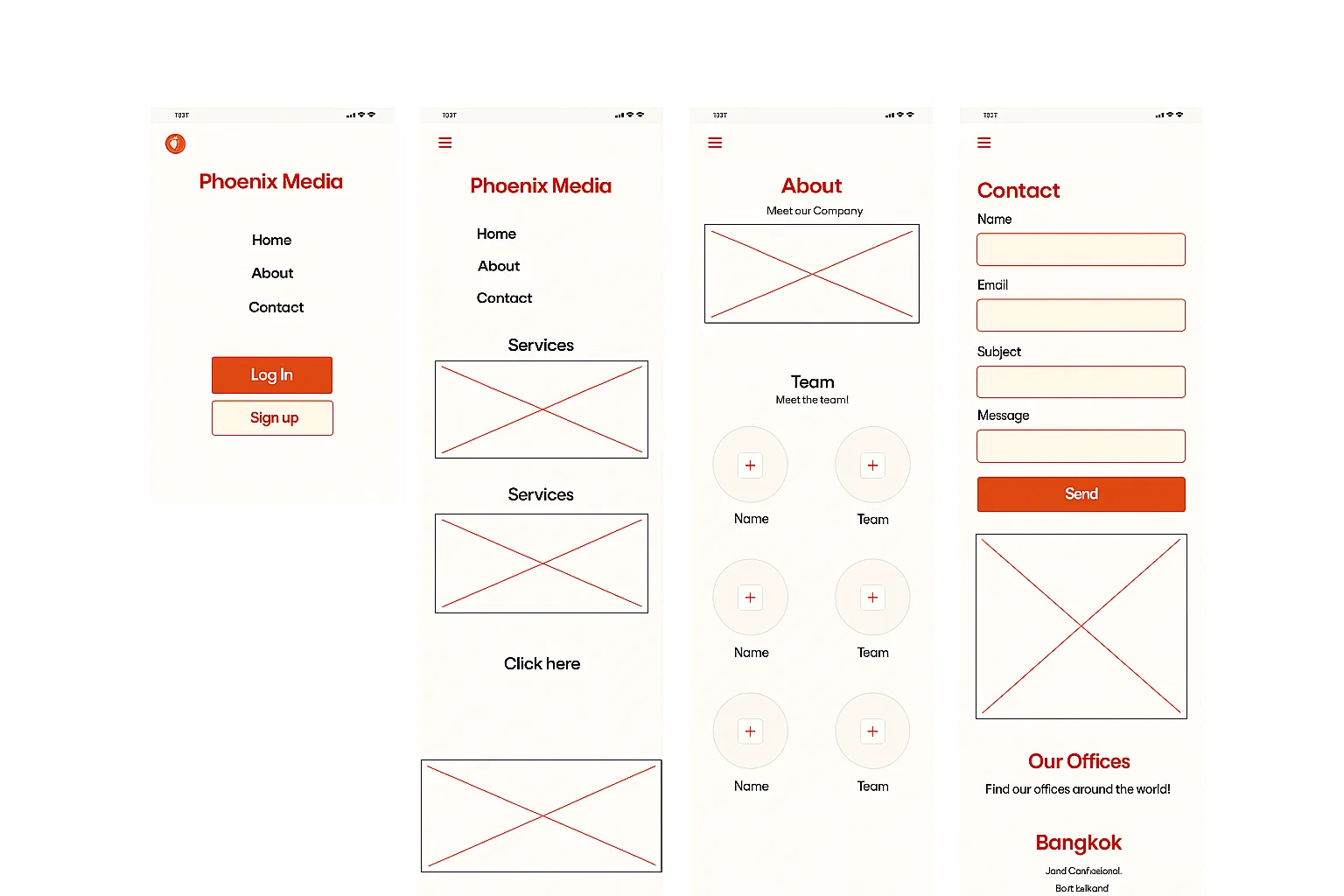
If you’re launching your first website, you often don’t need dozens of pages. A clear, well-structured site with essential information is often enough to build credibility and generate leads. Start with the basics:
- Home page – A short, compelling overview of who you are and what you offer
- About page – Share your story, values, and business credentials
- Services or products page – Describe your core offerings with clear benefits
- Contact page – Make it easy to get in touch via form, phone, location, or chat
To support long-term growth, consider adding optional pages like testimonials, FAQs, or a blog for SEO and content marketing. Google website guidelines also reinforce that clarity, responsiveness, and load speed are key success factors.
At Phoenix Media, we help businesses design fast, mobile-ready websites that are fully optimised for search visibility, putting you in front of high-intent customers. Contact our team to find out more.
Published July 20, 2025 · by Robert Wee