A backlink is a hyperlink on another website that points to a page on your website. Backlinks are one of the most significant ranking factors in SEO: they signal to Google that other websites consider your content credible and worth referencing. The more high-quality backlinks a page has from authoritative and relevant websites, the more likely it is to rank well in search results.
Why do backlinks matter for SEO?
Google's original algorithm was built around the concept that a link from one website to another is effectively a vote of confidence. A site with many backlinks from trusted, relevant sources is treated as more authoritative than one with few or none. This remains true today, though Google has become considerably more sophisticated in assessing link quality. A single backlink from a high-authority, relevant website is typically worth far more than dozens of links from low-quality or unrelated sites.
What makes a backlink high quality?
The quality of a backlink is determined by several factors: the authority of the linking website (sites with strong domain authority pass more value), the relevance of the linking page to your content (a link from a marketing blog to a marketing article is more valuable than a link from an unrelated site), the placement of the link (links within the body of content carry more weight than those in footers or sidebars), and whether the link is followed or no-followed (followed links pass SEO value, while no-follow links do not). Links that appear editorially placed within genuine content are the most valuable.
How do you get backlinks?
The most sustainable ways to build backlinks include:
- Creating high-quality content that others naturally want to reference and link to, such as original research, comprehensive guides, or data-driven articles
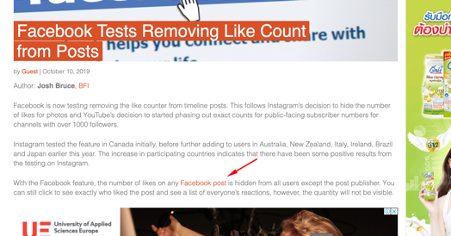
- Guest posting: writing articles for other websites in your industry in exchange for a link back to your site
- Digital PR: distributing newsworthy content, studies, or stories that journalists and bloggers may cover and link to
- Blogger outreach: contacting relevant websites directly to pitch content or collaboration opportunities
- Listing in reputable directories: industry-specific or local business directories can provide relevant links
- Reclaiming lost links: using tools to identify backlinks that have been removed or broken and requesting they be reinstated
What should you avoid when building backlinks?
Buying backlinks or participating in link schemes violates Google's guidelines and can result in a manual penalty that severely damages your rankings. Private Blog Networks (PBNs), mass directory submissions, and link exchanges purely for SEO purposes are considered manipulative practices. Google's algorithms have become effective at identifying unnatural link patterns, so low-quality link building can cause more harm than benefit. Focus on earning links through genuine value rather than acquiring them artificially.